Published on October 19, 2026
Mental Health Is Something We Can Nurture Every Day
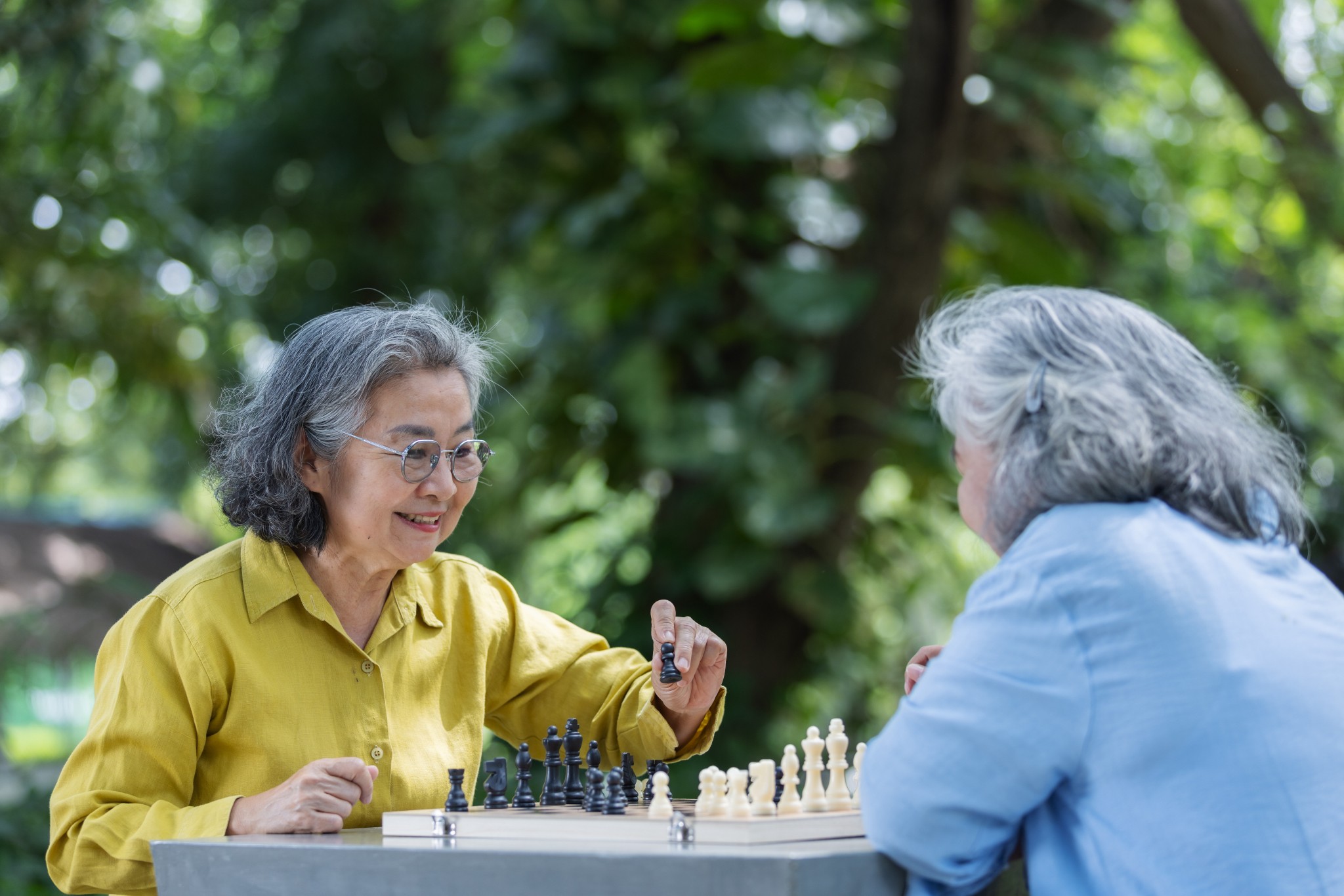
When we think about staying healthy, a few things naturally come to mind: staying active, eating well, getting enough sleep and keeping up with medical checkups. But good health goes beyond our physical well-being.
Our mental health deserves just as much attention, and not only when we're going through a difficult time. It's also nurtured through everyday experiences: having plans to look forward to, maintaining meaningful relationships, staying active, laughing, learning and taking time for ourselves.
And contrary to some common misconceptions, mental health challenges are not an inevitable part of aging.
The Things That Make Us Feel Good Don't Have to Be Complicated
A walk to get some fresh air. Coffee with a friend. A few hours spent enjoying a favourite hobby. A poetry class that sparks our curiosity. A phone call with someone we love.
These moments may seem small, but they all contribute to our well-being. Social connections, in particular, play an important role. That doesn't mean having a packed calendar or a large circle of friends. The quality of our relationships matters more than the number of people we know.
It's also worth remembering that living alone and feeling lonely are two very different things. We can enjoy our own company and still have a fulfilling social life. What matters most is being able to maintain the relationships, activities and routines that make us feel good.
When Our Living Environment Makes Things Easier
Our daily habits are also influenced by what's easily accessible around us.
That's one of the benefits of living in a retirement community. Opportunities to stay active, connect with others or try something new are often right outside our door, without having to organize everything ourselves.
An activity takes place just a few steps from your suite. A conversation with a neighbour turns into coffee together. We discover a painting workshop we might never imagined joining. Some interactions are planned, while others happen naturally when people share the same living environment.
There's also the added benefit of having fewer household responsibilities to manage. Spending less time on home maintenance can mean more time for personal interests, loved ones, spontaneous outings or simply enjoying an afternoon with nothing on the schedule.
Of course, living in a retirement community doesn't automatically guarantee an active social life or good mental health. But it can provide an environment where healthy habits are easier to maintain.
When Things Feel More Difficult, Talking Helps Too
Taking care of our mental health also means paying attention to changes in how we feel. Everyone goes through difficult periods, but when feelings of sadness linger, anxiety becomes more overwhelming or we lose interest in activities we once enjoyed, it's important to take notice.
These changes shouldn't be dismissed or simply attributed to aging. Talking to someone we trust can be a helpful first step. And when those feelings persist, a doctor or another healthcare professional can offer support and help us better understand what we're experiencing.
After all, taking care of our mental health is an essential part of taking care of our overall health.
Making Room for What Matters
Of course, there's no single lifestyle that guarantees well-being. We all have our own ways of recharging, our own interests and different needs when it comes to connecting with others.
The right living environment, however, can make certain things easier.
That's another way to think about retirement living: not as a way to fill every hour of the day, but as an environment that brings more opportunities closer to home, while giving everyone the freedom to decide how they want to live and spend their time.
Perhaps that's what matters most: having opportunities around us that contribute to our well-being, and the freedom to enjoy them in our own way.