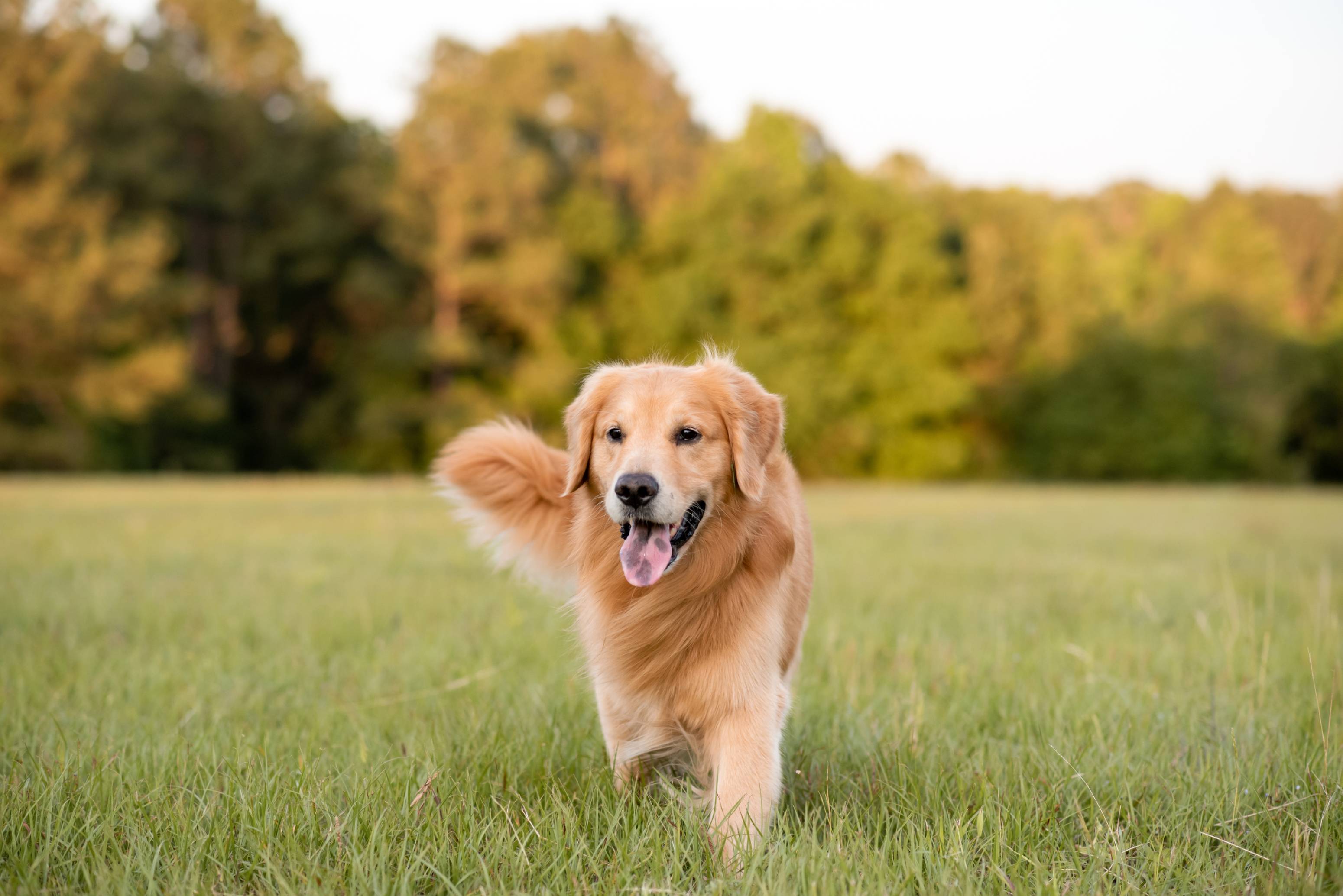
Throughout the course of our lives, certain relationships leave a lasting mark. Among them, the bond we share with animals often holds a special place. Whether it’s the dog that used to greet us at the door, the cat that shared our evenings, or the bird whose song filled our mornings, animals have a unique ability to bring comfort, joy, and a sense of calm.
It is precisely this special bond that underpins animal-assisted therapy—an approach that is gaining popularity in retirement communities thanks to its many benefits for physical, emotional, and social well-being.
A Calming Presence
The simple presence of an animal can have a remarkably soothing effect. Petting a dog or a cat helps reduce stress and anxiety while providing an immediate sense of comfort.
For many retirees, these moments of contact promote relaxation and offer a welcome break from everyday concerns. They also create an opportunity to fully experience the present moment in an atmosphere of gentleness and simplicity.
A Valuable Ally Against Loneliness
With the changes that can accompany retirement—a new pace of life, a move, distance from loved ones, or the loss of someone dear—feelings of loneliness can become more pronounced.
Animals have an extraordinary ability to create genuine connections, free of judgment or expectations. Their warm presence helps break down isolation and provides a sense of companionship that truly lifts the spirit.
Memories That Resurface
Animal-assisted therapy sessions often spark emotionally rich conversations. Encountering an animal can bring back childhood memories, past companions who shared part of our lives, or cherished moments spent with family.
These exchanges not only help stimulate memory but also encourage interaction among residents. A simple visit can become the starting point for meaningful conversations and new friendships.
A Catalyst for Human Connection
The benefits of animal-assisted therapy extend beyond the relationship between the individual and the animal—it also becomes a powerful catalyst for social connection.
When an animal visits a residence, smiles multiply, conversations begin naturally, and residents gather around a shared experience. These moments help strengthen the sense of community and create a warm, welcoming environment where everyone feels they belong.
Encouraging Gentle Movement
Even when practiced in a recreational setting, animal-assisted therapy encourages physical activity. Brushing an animal, throwing a ball, walking a few steps alongside it, or simply reaching out to pet it all engage different motor skills.
These simple actions help individuals stay active while enjoying a pleasant and motivating experience.
An Experience That Nurtures Well-Being
Beyond its many benefits, animal-assisted therapy offers something truly valuable: moments of genuine happiness.
The gentle gaze of a dog, the purring of a cat, or the curiosity of a rabbit create spontaneous moments of joy that brighten the day. These experiences contribute to overall well-being and enhance quality of life.
In today’s retirement communities—where residents seek far more than just a place to live—animal-assisted therapy workshops fit perfectly within an approach centered on well-being, meaningful relationships, and enriching everyday experiences.
Because sometimes, all it takes is a paw extended, a loving glance, or a shared moment to brighten an entire day.

Active Living – Live life to the fullest

Active Living – Live life to the fullest